
Many people want to travel the world (and in about 150 years, even to other celestial bodies), but there are numerous obstacles that prevent this from happening. For now, we will not consider space travel and will focus exclusively on moving around our own Earth. The main reason that hinders travel is a lack of money. This is too obvious a reason, so we will not discuss it. We also won’t dwell on fears of traveling or poor health that keeps people tied to a specific place of residence and prevents them from moving freely. Instead, we will examine barriers that, although small, collectively cause significant discomfort.
1. The primary barrier is language proficiency. This includes both international English or, for example, Chinese, as well as local languages spoken in countries where residents may not understand even international languages. Communication problems can arise at every step: from the airport and customs to checking into a hotel or sightseeing.
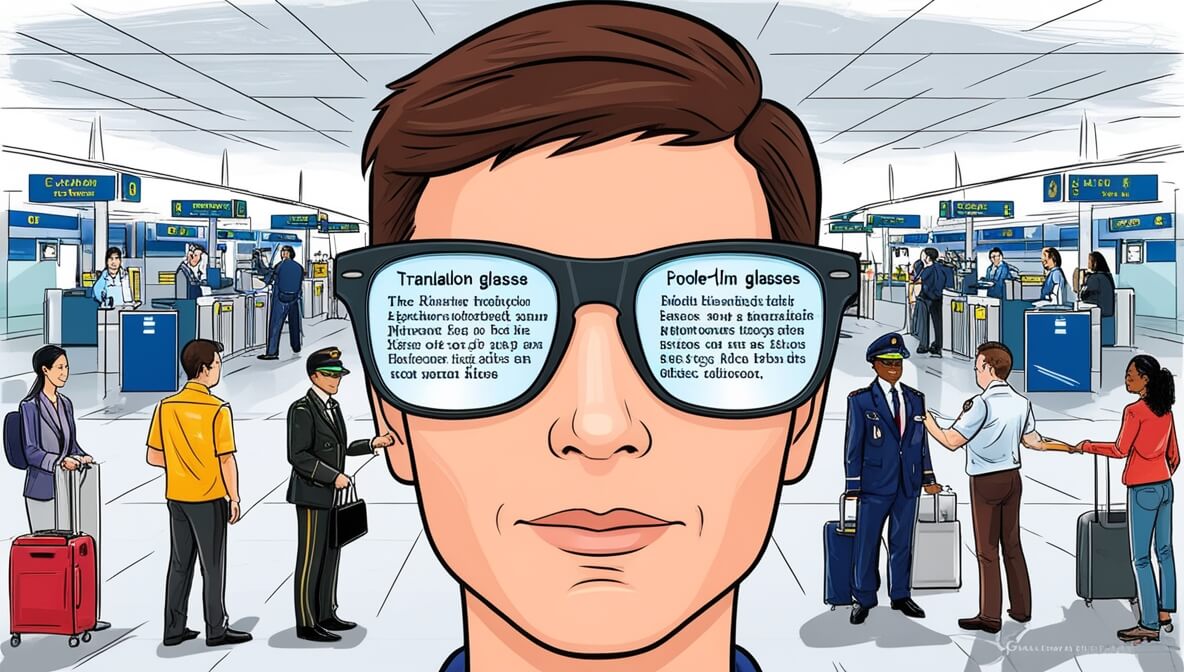
So, how do I see a way out of this situation? In fact, the ideas I envision are not new; moreover, some of them are already in their early stages of implementation. First and foremost, I am referring to a mechanism that could be either glasses or a microphone that transmits translations in your native language. I’m not sure if there are ideas involving headphones, but glasses definitely exist. Facebook is already testing something along these lines, and the principle behind such glasses is that translated text is projected onto the lens, which you can read. Externally, they don’t look like augmented reality glasses but rather like ordinary everyday glasses, so we can only hope that such glasses will become commonplace for everyone interested in them. For staff at registration desks or border control, these glasses may not be necessary since communication with people could occur through a screen on which the translation is projected—meaning you see the translation in your language on one side while the airport staff sees it in theirs on the other side. By the way, this is no longer just a technology from science fiction books; it’s quite real and has already started being practiced in Japan. We just need to wait for it to spread worldwide and into all public places.
2. The second common problem is the lack of internet access. Without internet access, a modern traveler’s ability to navigate unfamiliar areas can be severely limited. In fact, even the language barrier can be partially addressed with internet access. However, using a phone with an active translator everywhere is extremely tiring and inconvenient. Many public places offer conditionally free internet via Wi-Fi. It’s conditionally free because you can connect to the network but cannot actually use the internet without verification tied to a SIM card. This means you have to provide a SIM card number to receive a call or SMS for confirmation. This creates a strange catch-22: I need internet access; I can connect via Wi-Fi, but I need a SIM card for that. So I go and buy one. Typically, when you purchase a SIM card, you get free internet access—often in quite large volumes. So why would I even need this free Wi-Fi? This scheme is fundamentally good but requires spending money on SIM cards as well as time searching for and purchasing them. Of course, as an option, you could provide your actual SIM card number, but the likelihood that your SIM card has roaming coverage in the country you’re visiting is extremely low; thus, no SMS or calls will come through for you.
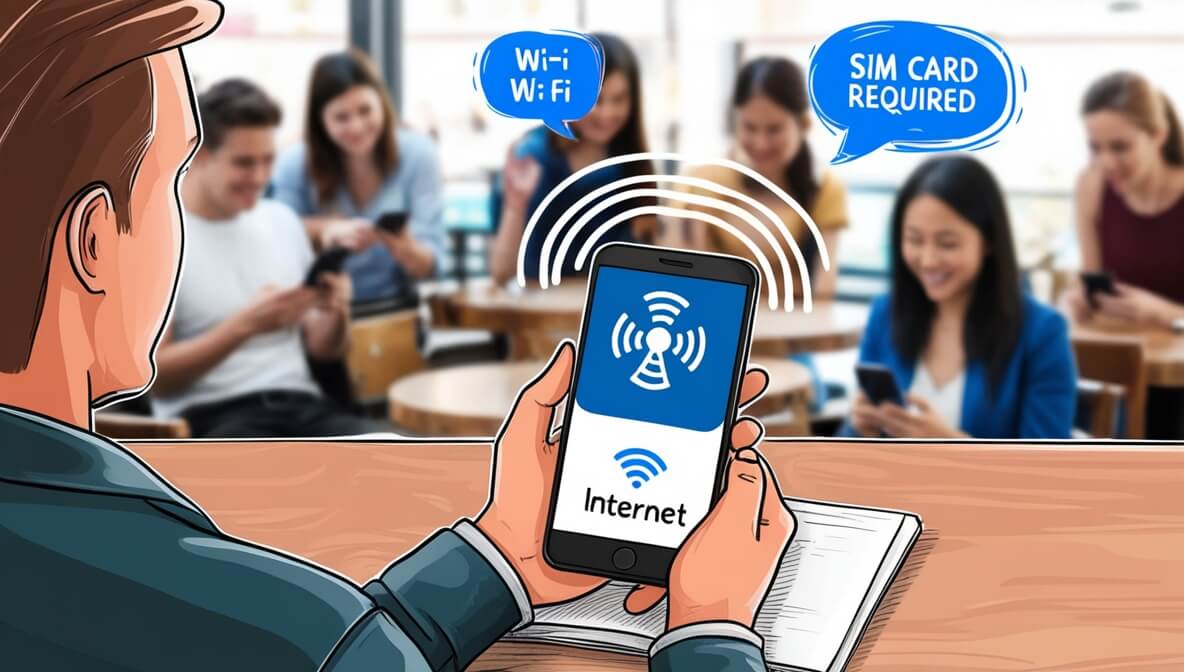
What potential solutions could there be in the future? For now, I see only one solution that is currently being actively promoted by Musk and some Chinese companies: connecting directly to satellites without using cell towers. Another option is to purchase virtual SIM cards in advance and activate them upon arrival in a particular country, which is what I do. However, virtual SIM cards are often more expensive and less advantageous than traditional SIM cards. Additionally, most of them do not have a phone number and only provide internet access. This means you won't be able to make calls or send SMS messages.
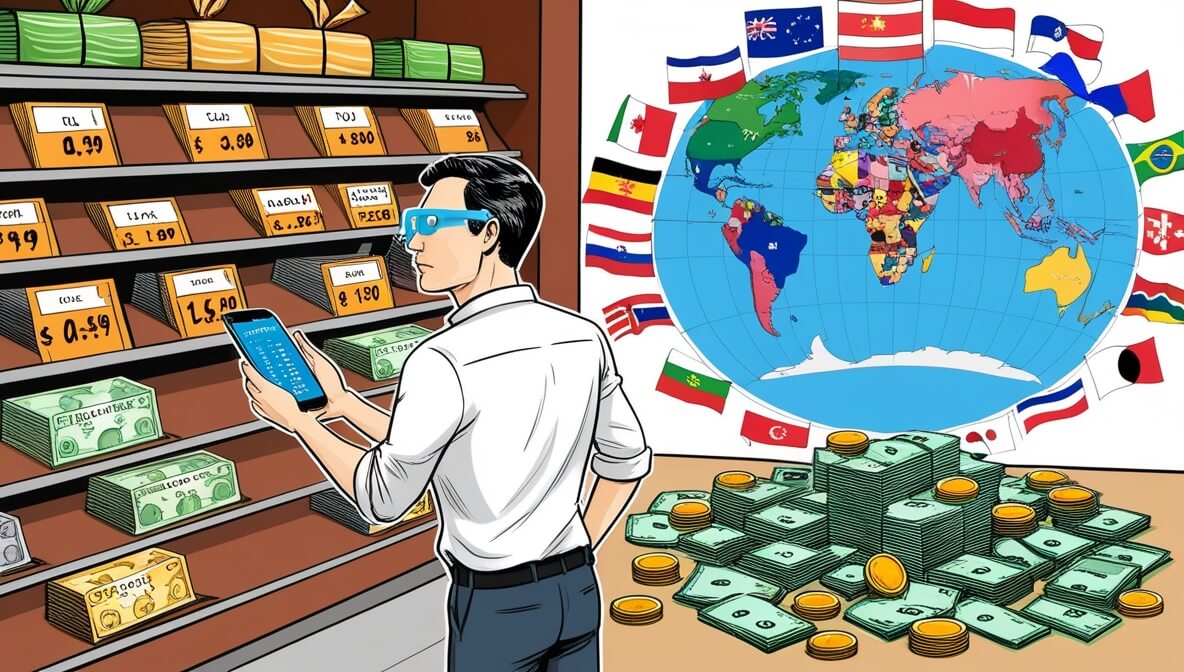
3. Why not consider the idea of creating a single currency worldwide? Imagine how convenient that would be. There would be no need to think in advance about how much a particular item costs or to constantly keep an open currency converter at hand. Furthermore, there is the issue of bank cards, which may work in some places but not in others, especially under certain economic sanctions.
Still, I am not very inclined to believe that a single currency will ever be introduced across the entire planet in the next few hundred years. This is at least extremely difficult to achieve financially. It’s challenging to make over 200 countries reprint their currencies and change all the price tags on goods and services. An even bigger problem is how to choose that one currency. Moreover, for ideological and cultural reasons, not all countries would want to give up their familiar banknotes, which often feature their country’s main landmarks. We can only hope for unified payment systems that will work with cards in all countries and remain equally stable everywhere. Additionally, we can look forward to next-generation glasses that could automatically translate price tags, in addition to language translation.
4. Airports and security checks. Perhaps I am not afraid of flying, but whether this is because I genuinely lack that fear or because by the time you board the plane you are completely drained—who knows? Several security checks, check-in procedures, waiting, customs clearance, endless lines, declaring goods—these and many other nuances can significantly undermine any trip abroad. Add a few layovers and connecting flights into the mix, and the situation becomes dire. In such situations, you end up looking like a true zombie.
I have described several problems, which means I also see different paths for solutions. First of all, security. It is not necessary to make people take off their shoes multiple times when entering the airport and going through security checks for boarding. In the future (unfortunately, not in the very near future), real-time cameras will be able to scan all passengers and their belongings. I hope that we will no longer have to pour out the remnants of water and other liquids, as such a camera could easily determine their chemical composition and understand that a particular liquid is not only non-flammable but, on the contrary, could actually extinguish a fire.
Regarding long layovers, the problem can be solved with direct flights. However, it is unclear how to handle distances of 10,000 kilometers or more. In any case, refueling will be required, and it is difficult for people to sit in an airplane for long periods. I think we will need faster passenger planes, and for that, perhaps new technologies for aircraft design and new, more efficient fuels will be necessary. It would be interesting to know what designers think about using nuclear fusion of light elements in passenger planes or, conversely, nuclear fission of heavy elements—a sort of small atomic or thermonuclear reactor on each plane.
5. Visas are often another reason that significantly complicates travel. However, this process (the complications) usually occurs long before the trip to a particular country. I exclude countries where visas are issued on-site. By visas, I mean those for which you need to gather a ton of documents, provide tickets, hotel reservations, proof of stable income, absence of COVID-19, absence of tattoos on the left toe of the right foot, absence of lice and worms at the time of visa application, absence of criminal records for your dog and a certificate from a narcologist for your cat, as well as a bunch of other requirements. Thank goodness that at least with internet access you can now buy tickets and book accommodation in advance.
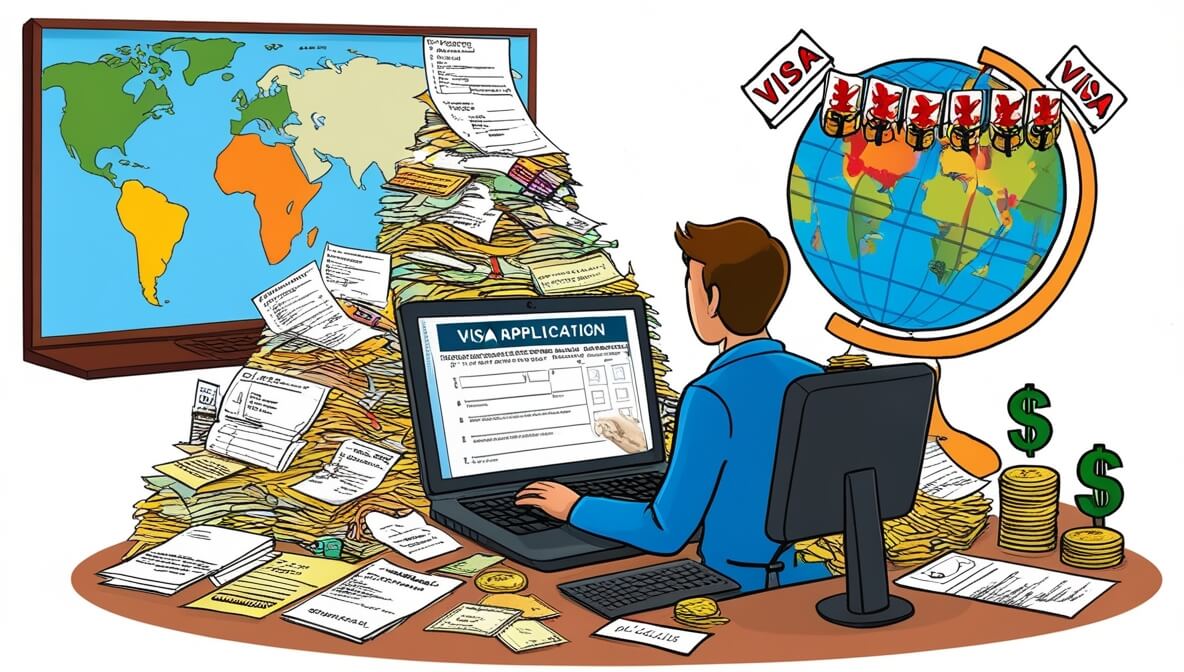
Resolving the issues related to this point is very difficult, and conceptually, humanity is not yet ready for the abolition of visas and free travel. All countries want:
a) to make money from tourists through visas;
b) to ensure that not just anyone can enter the country and that this "anyone" does not become a security threat or remain as an immigrant.
The first problem can conceptually be addressed by simply replacing all the piles of documents that need to be gathered with a single payment. However, the second reason is much more complex, and as long as there is no global harmony and agreement on political, religious, and economic issues, visas will still be with us.
6. Abolish all time zones. Although it may seem minor, it is also worth mentioning. It would be nice to abolish all time zones and bring time (as well as currency) to a single standard. Some might say that this is inconvenient, while others might consider it impossible, but most likely no one will explain exactly why. Yes, we have established traditions that the sun should rise in the morning (around 5-7 AM) and set in the evening (around 6-7 PM), and that people should go to work during this time. However, for those who work shifts, it seems irrelevant how time passes.
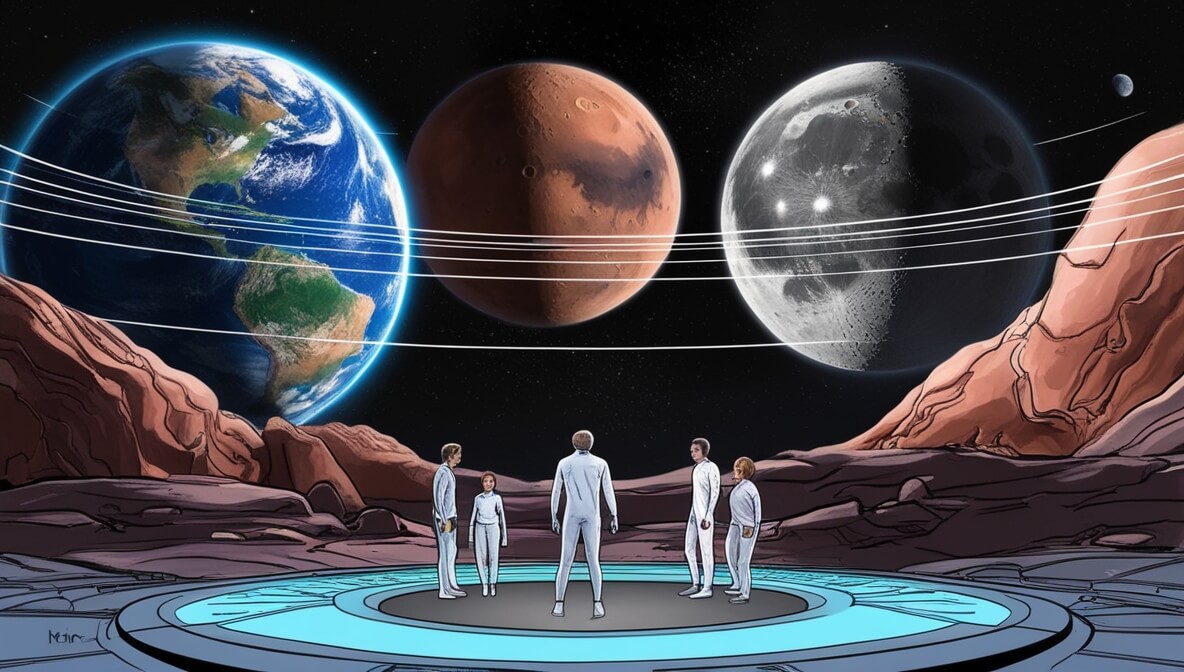
In general, current Earth time is more of our own problem of measurement because we are so accustomed to it. This is how we decided to name time since ancient times, but that does not mean it is the only possible or correct option. When colonizing and traveling to other planets, I hope humanity will not introduce time zones.
For instance, even the closest celestial bodies to us, such as the Moon and Mars, also rotate on their axes; therefore, in relation to the Sun (not Earth), they can be oriented with one side facing it or the other. This means there can be both day and night there as well. By the same logic, it would make sense to establish time zones there according to "daylight." However, considering that on one side of the Moon day and night last for 13.5 Earth days each, one lunar day would consist of 37 Earth days or 648 hours. It’s unclear what to do with this number regarding when to be awake and when to sleep. So I hope no one will introduce time zones there.
In any case, everything will get mixed up, and no one will adhere strictly to local days; thus we can simply disregard earthly customs and our understanding of how days pass in our familiar sense. If we are forced to adapt to this in other places, we can easily do so on Earth as well. For some people, dawn might not be at 6 AM but rather at 3 PM, and they would go to work not at 7 AM but at 5 PM instead. People can easily get used to this just like shift work. Yes, in each country people will go to work and sleep at different times; however, this time will be unified across the planet.